
















El Niño now very strong, impacts to be felt until 2027
PAGASA projections show the very strong El Niño or so-called Super El Niño may cause drought in virtually the entire country by March 2027

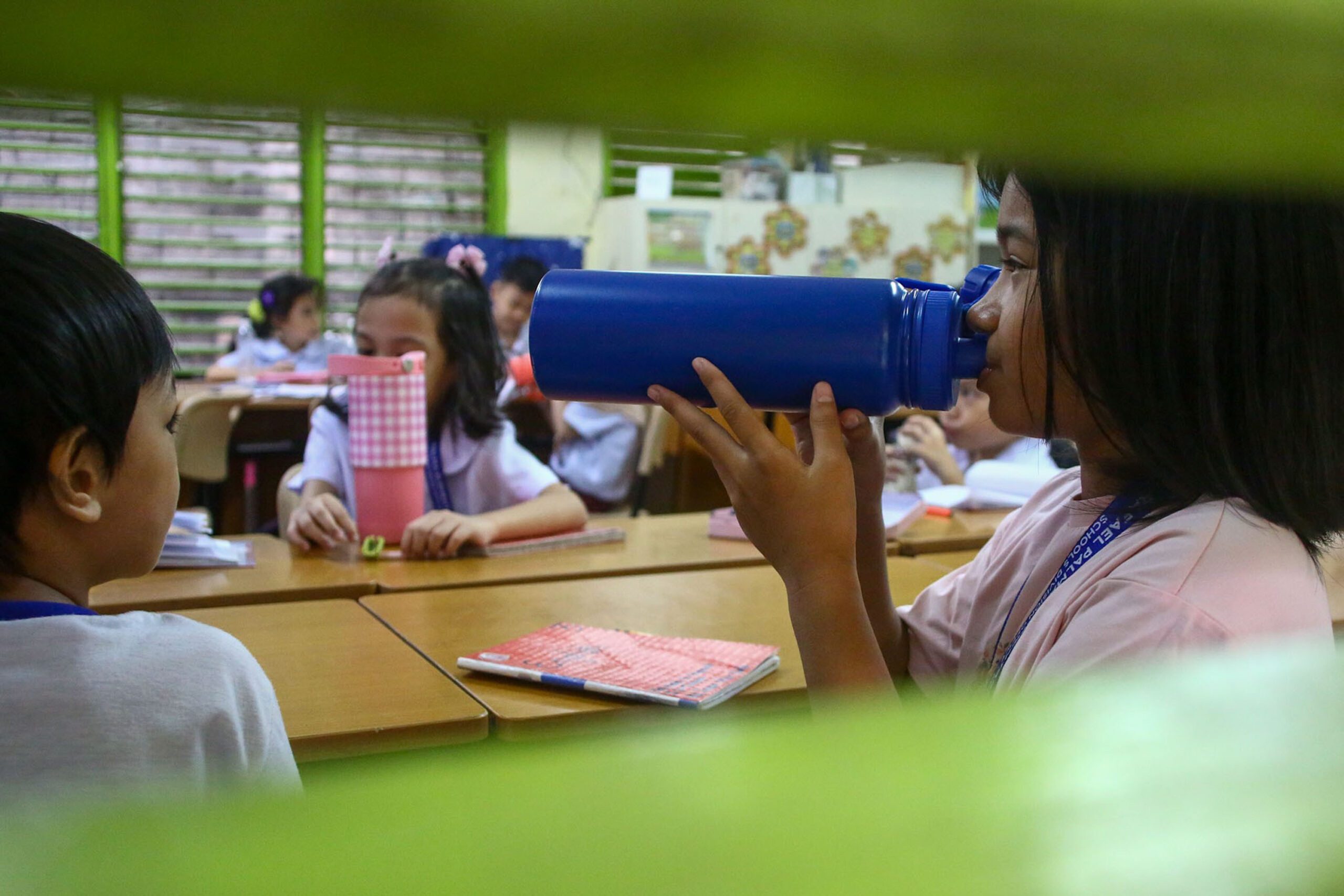
MANILA, Philippines – A very strong El Niño is now present in the tropical Pacific Ocean, the Philippine weather bureau announced in a statement posted on Thursday, November 5.
Also informally called Super El Niño, this current episode of the weather phenomenon might reach its peak by the end of 2026, but persist until the first half of 2027.
In the Philippines, El Niño leads to less rainfall, causing dry spells and drought.
The Philippine Atmospheric, Geophysical, and Astronomical Services Administration (PAGASA) defines a dry spell as three straight months of below normal rainfall or two straight months of way below normal rainfall.
Drought, meanwhile, is experienced when there is three straight months of way below normal rainfall or five straight months of below normal rainfall.
Below normal refers to a 21% to 60% drop from the average rainfall volume in a particular area, while way below normal means a reduction of more than 60%.
PAGASA expects below normal to way below normal rainfall in most parts of the country in November. Temperatures are also likely to be higher than average, despite the presence of the northeast monsoon or amihan, which brings cool air.
By the end of November, the following areas may have drought, according to PAGASA forecasts:
- Luzon – Albay, Camarines Norte, Camarines Sur, Catanduanes
- Visayas – Capiz, Leyte, Negros Oriental, Samar, Siquijor, Southern Leyte
- Mindanao – Isabela City, Misamis Oriental
These areas could be experiencing dry spells by the end of the month:
- Luzon – Abra, Apayao, Bataan, Batanes, Batangas, Benguet, Cagayan, Cavite, Ifugao, Ilocos Norte, Ilocos Sur, Isabela, Palawan (Kalayaan), Kalinga, La Union, Marinduque, Masbate, Mountain Province, Metro Manila, Nueva Vizcaya, Occidental Mindoro, Oriental Mindoro, Palawan, Pangasinan, Quezon, Quirino, Romblon, Sorsogon, Zambales
- Visayas – Aklan, Antique, Biliran, Bohol, Cebu, Guimaras, Iloilo, Negros Occidental, Northern Samar
- Mindanao – Basilan, Camiguin, Cotabato, Davao del Sur, Davao Occidental, Dinagat Islands, Maguindanao del Norte, Maguindanao del Sur, Misamis Occidental, Sarangani, South Cotabato, Special Geographic Area, Sultan Kudarat, Sulu, Surigao del Norte, Tawi-Tawi, Zamboanga del Norte, Zamboanga del Sur, Zamboanga Sibugay
By March 2027, virtually the entire country may face drought, further affecting agriculture, water resources, energy, and public health.
“The public and all concerned agencies are strongly advised to implement appropriate sectoral interventions, conservation and mitigation measures, particularly water conservation and efficient management of water resources, to minimize the potential impacts of El Niño,” PAGASA Administrator Nathaniel Servando said in a statement.

El Niño has already caused massive damage and losses to agriculture this year. As of October 21, the Department of Agriculture (DA) pegged the cost of damage at P8.57 billion, with more than 288,000 farmers affected.
The DA said its assistance so far includes P10.81 billion worth of production support, such as seeds, fertilizers, and soil conditioner, as well as P569.95 million worth of Philippine Crop Insurance Corporation indemnification for 68,980 affected farmers.
In a worst-case scenario, according to the DA, the Super El Niño could affect around 4.6 million of the country’s 10.4 million farmers and fisherfolk.

El Niño is the warm phase of El Niño Southern Oscillation or ENSO, which the World Meteorological Organization defines as “a recurring natural phenomenon characterized by fluctuating ocean temperatures in the equatorial Pacific, coupled with changes in the atmosphere.” ENSO has two other phases: La Niña or the cool phase, and neutral.
El Niño does not mean complete absence of rainfall in the Philippines. Weather systems such as tropical cyclones, the northeast monsoon, the intertropical convergence zone, and the easterlies can still trigger rain in the coming months.
PAGASA said two to six tropical cyclones may develop within or enter the Philippine Area of Responsibility from November 2026 to April 2027. – Rappler.com
What's Your Reaction?