















[Rappler Investigates] Who’s taking care of our dead?
How could the living get through their own painful experience of saying their final goodbyes if embalmers weren’t there to help preserve the memory of their loved ones?
Many of us finished paying homage to our beloved departed in the past weekend or so, offering prayers and remembering them in very special ways.
There might have been different circumstances of their passing and varying means of sending them to their final resting place. But one common thing they must have all undergone was dignified preparation of their remains for grieving family members left behind to bid them tearful, sometimes painful, farewells.
This is made possible only by the careful handling of their bodies by embalmers, who are often faceless individuals because they remain behind the scenes in mortuaries.
Researcher Eirene Manatlao partnered with Henry Luce Foundation scholar Jake Gomez to take a peek into the little known world of embalmers — often stereotyped as uneducated or unclean because they handle the dead.
Jake discovered that embalmers need a “high school diploma, at least 140 hours of instruction from an accredited institution, and proof that they have embalmed at least 10 cadavers within a year.” After about two months of classroom instruction, they spend another month working on real cadavers in funeral homes.
They are required to pass an exam to obtain a license that must be renewed every three years.
In 2018, there were an estimated 5,000 licensed embalmers on record in the country but the number may not be as accurate. Today, very rough estimates put the count at a little over 6,000. Depending on employers, they get benefits and privileges on top of minimum wage. Others get paid by the number of bodies they handle, charging about P1,000 per body.
Eirene spoke to two embalmers and found a common vulnerability — processing the remains of babies that made them cry because they, too, are parents.
They’ve had to contend with the stigma associated with the profession and with common misperceptions. Their work requires attention to detail, taking as long as four hours per cadaver, sometimes longer, depending on the body’s physical condition.
One of them, Joycel Regalado, pointed out the importance of what they do: “Kung wala kami, sino ang mag-aayos ng patay?” (If we weren’t here, who would take care of the dead?)
Very true, for how could the living get through their own painful experience of saying their final goodbyes if embalmers weren’t there to help preserve the memory of their loved ones?
Meanwhile, we, who are still here, are reminded to continue with the business and concerns of living: how to better cope with the looming Super El Niño and its effects on farmers, as well as the persisting energy crisis that has caused electricity bills to soar. We will be doing more stories on this extreme weather event that is threatening to break records and last through early next year.
The Visayas is expected to be problematic even if more than half of the Visayas grid’s power generation mix comes from renewable energy sources. Reporter John Sitchon, who is based in Cebu, warns that multiple red alerts are expected in the region in 2027 due to rising demand and unstable energy supply. He mapped the Visayas energy mix across the region’s five island sub-grids in Cebu, Bohol, Panay, Negros, and Leyet-Samar. Take a look here.
Researcher Shay Du looked into the affordability of going solar for household rooftops as a way of coping with mounting electricity bills. Estimated costs of putting up such solar panels range from P80,000 to P200,000 for average households, up to over half a million pesos for larger houses.
There are financing options available, according to Shay. Government employees considering going solar can take out loans from the Government Service Insurance System, while private employees can expect loans from the Social Security System by 2027. Home improvement loans via Pag-IBIG are also available.
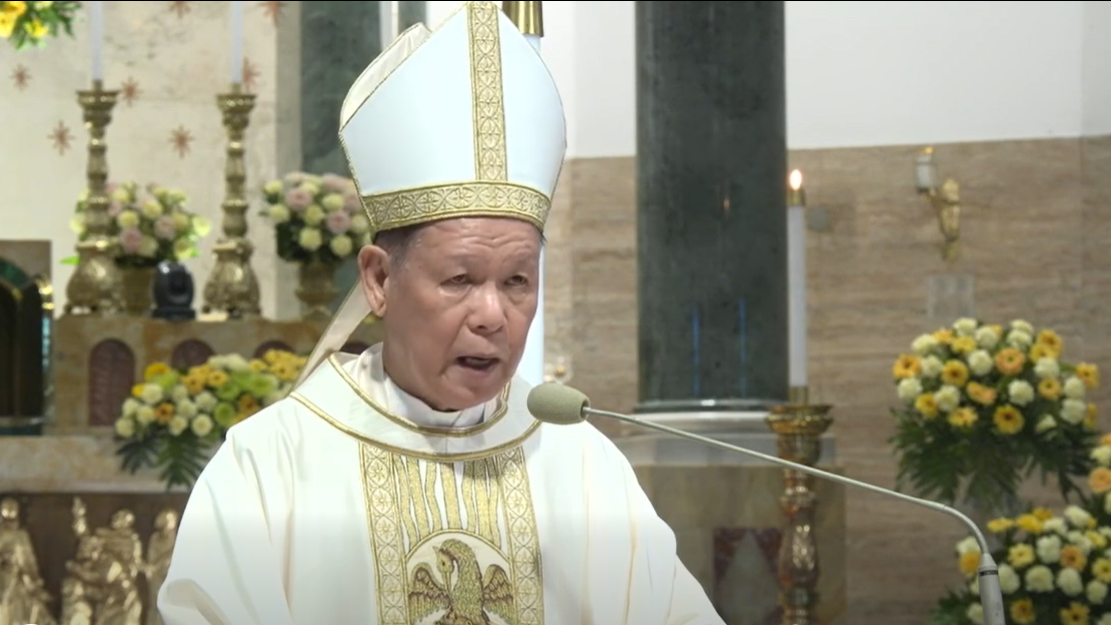
Let’s not lose sight of other big issues that might get past us because of more urgent daily living concerns. Let’s continue monitoring how public funds are being allocated and who will be chosen by President Ferdinand Marcos Jr. as new members of the Supreme Court, including his pick as replacement of Chief Justice Gesmundo, who retires this Friday, November 6.
Till Thursday after next!




– Rappler.com
Rappler Investigates is a bimonthly newsletter of our top picks delivered straight to your inbox every other Thursday. Visit rappler.com/newsletters to subscribe.
What's Your Reaction?