























Stunning new 3D images reveal yellow fever’s hidden structure
Stunning new 3D images reveal the hidden structure of the yellow fever virus. Discover how this breakthrough could improve vaccines, antiviral treatments, and our understanding of the disease.

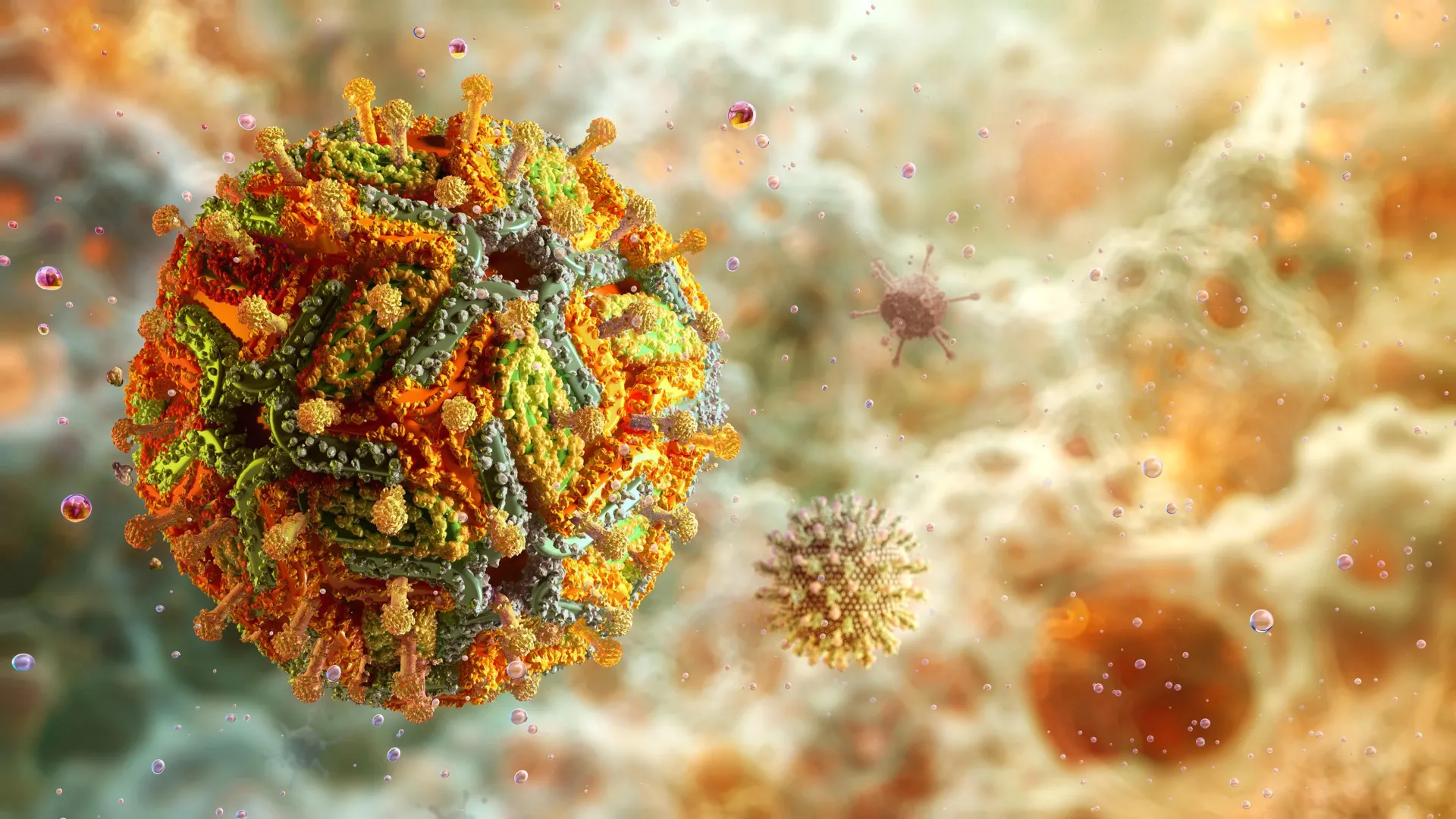
Researchers have produced groundbreaking three-dimensional images that reveal the hidden structure of the yellow fever virus. These detailed visuals provide new insights into the virus’s composition and may pave the way for improved vaccines and antiviral therapies.
Overview of Yellow Fever
Yellow fever is a viral disease transmitted by infected mosquitoes. It primarily occurs in parts of Africa and South America and can cause severe symptoms, including high fever, jaundice, organ failure, and in some cases, death. Vaccination remains the most effective method of prevention, but understanding the virus at a structural level is essential for developing next-generation treatments.
The Breakthrough Imaging Technique
Using advanced cryo-electron microscopy and computational modeling, scientists were able to capture highly detailed 3D images of the yellow fever virus at the molecular level. This technique freezes virus particles in their natural state, allowing researchers to observe how individual proteins are arranged on the virus’s surface.
The resulting images are among the most detailed ever produced for this pathogen, revealing structural features that were previously hidden.
Key Findings
The 3D images reveal the precise arrangement of proteins that make up the virus’s outer shell, which plays a critical role in infecting human cells. Researchers discovered structural patterns that explain how the virus attaches to host cells and how it avoids the immune system.
Understanding these features can help scientists design vaccines that better target the virus and create antiviral drugs that interfere with its ability to replicate.
Implications for Medicine
The detailed structural information has several potential benefits:
-
Vaccine Development: Enables the design of vaccines that stimulate a stronger immune response.
-
Antiviral Therapies: Identifies potential drug targets to block virus entry or replication.
-
Disease Understanding: Provides insights into how the virus causes infection and disease progression.
The findings also set a precedent for studying other mosquito-borne viruses, including dengue and Zika, which share structural similarities with yellow fever.
Conclusion
The stunning 3D images of the yellow fever virus offer a powerful new tool for researchers working to prevent and treat this deadly disease. By revealing its hidden structure, scientists can develop more effective vaccines and therapies, ultimately saving lives in regions where yellow fever remains a serious threat.
What's Your Reaction?