
























PHL expects steady US ties despite Democratic gains in Congress
THE Philippines does not expect Democratic gains in the US Congress to significantly alter bilateral relations, with Manila anticipating continued cooperation on defense and economic issues, Philippine Ambassador to the US Jose Manuel “Babe” G. Romualdez said.


By Erika Mae P. Sinaking, Reporter
THE Philippines does not expect Democratic gains in the US Congress to significantly alter bilateral relations, with Manila anticipating continued cooperation on defense and economic issues, Philippine Ambassador to the US Jose Manuel “Babe” G. Romualdez said.
“We’re just going to work with the new ones that have come in, the new senators and the new congressmen,” Mr. Romualdez told BusinessWorld by telephone. “But essentially, it will most likely remain the same — the kind of support that we’ve had over the past years.”
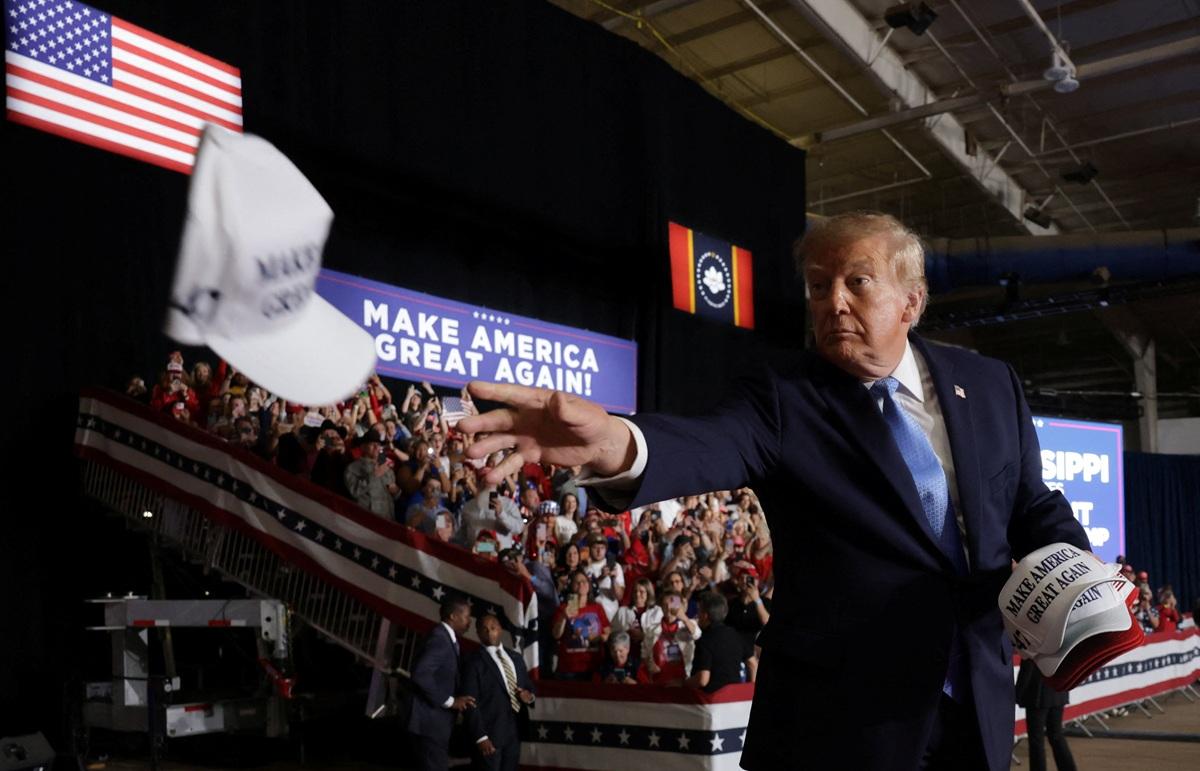
Democrats are set to gain influence in both chambers of Congress beginning in January after the Nov. 3 midterm elections, creating a divided government under Republican President Donald J. Trump.
Mr. Romualdez said the Philippines expects continuity “in all relationships, both economic and defense, because [they] go hand in hand.”
Francis M. Esteban, a faculty member of the Department of International Studies at Far Eastern University in Manila, said bipartisan support for the US-Philippine alliance would likely keep relations stable despite the shift in congressional control.
“Perhaps we could just see more stable and predictable policies since Congress is expected to scrutinize Trump’s initiatives,” he told BusinessWorld via Facebook Messenger.
Mr. Esteban added that Democratic priorities, including their stance on the conflict involving Iran, could influence Washington’s strategic focus and potentially result in greater attention to the Indo-Pacific region.
Gary G. Ador Dionisio, a professor and former dean of the School of Diplomacy and Governance at De La Salle-College of Saint Benilde, said defense cooperation would probably remain the strongest pillar of bilateral relations because stability in the Indo-Pacific serves long-term US strategic interests.
Trade and investment, however, could face greater uncertainty, particularly where commitments depend on tariff policies, congressional appropriations and coordination with the White House, he said.
“Manila could face competing signals, especially when the White House makes promises that require congressional support,” Mr. Dionisio said via Messenger.
“We must therefore engage both branches of government and cultivate relationships across party lines. At the same time, we should strengthen our own capabilities and diversify our partnerships,” he added.
Mr. Romualdez said the change in discussions on tariffs, although negotiations would continue through the Office of the US Trade Representative (USTR).
Washington imposed a 12.5% tariff on most Philippine exports in July over concerns related to forced labor. Manila has been seeking to restore the rate to 10%.
“We’ll see what the new Congress will be, what kind of role they’ll play in the tariffs and all that,” Mr. Romualdez said. “But at the end of the day, we’re still going to be continuing our negotiations with the USTR.”
He added that the Luzon Economic Corridor, a joint Philippines-US-Japan initiative aimed at attracting investments in infrastructure, logistics and strategic industries, would likely continue despite the political shift in Washington.
“The Luzon Economic Corridor is already moving,” he said. “I don’t think they’re going to derail any of those.”
Mr. Romualdez also downplayed expectations of major announcements during Mr. Trump’s expected visit to Manila for the ASEAN (Association of Southeast Asian Nations) Summit this month.
“We are just going to have discussions on how we will continue with our relationship on both the defense and economic side of things,” he said.
“It’s a short visit. So it’s going to be simply a reaffirmation of what we’ve discussed in the past,” he added.
He also said there were no plans to sign any agreement related to Pax Silica during the visit.
Meanwhile, Mr. Romualdez said interest among US investors remained strong, particularly in technology sectors, although the Philippines must improve its ability to absorb investments.
“There’s a lot of potential investment,” he said. “But we have to continue to try to cut down the red tape.”
Mr. Dionisio said Manila should use the summit to advance cooperation on maritime security, supply chains, energy security, cybersecurity and disaster preparedness.
“The summit can begin that process, he said, but lasting support will require diplomatic work beyond the meeting,” he added.
What's Your Reaction?