












Pilipinas, tayo naman: On Youth, Elections, and the Work of Bringing Hope Back
There is something stirring about watching young people take up space in the political conversations of other countries.

There is something stirring about watching young people take up space in the political conversations of other countries.
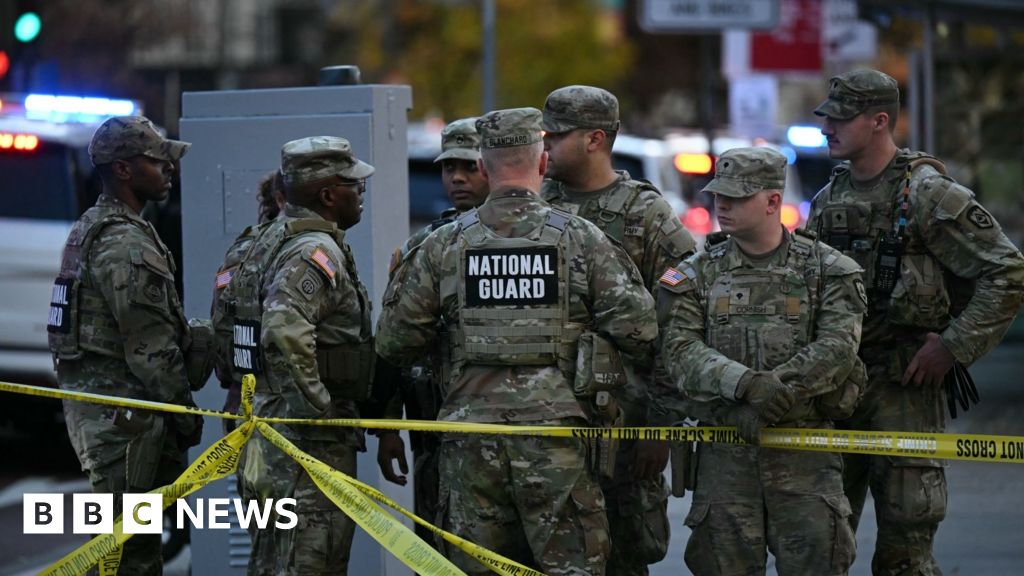
In the United States, the November 2026 midterm elections saw Democrats regain control of both chambers of Congress, with young voters playing a significant part in the shift. Initial analysis from Tufts University’s Center for Information & Research on Civic Learning and Engagement (CIRCLE) found that 66% of voters aged 18 to 29 supported Democratic candidates for the US House of Representatives. Researchers also noted that young voters helped power Democratic victories in several key states.
And naturally, the question begins to make its way into our own conversations: Kailan tayo, Pilipinas?
There is nothing wrong with asking that question. In fact, there is something hopeful about seeing young people imagine a different political future for their country. When we see people elsewhere mobilize, organize, and make their voices count, it is only natural to wonder when we will get our own moment.
But we should also pause and ask: What does it take for young Filipinos to show up?
Because while we celebrate young people who march, campaign, organize, and vote, we must also recognize those who are fighting battles just to get by.
We often romanticize youth activism: the student joining protests, the volunteer organizing communities, the young voter taking time to study the candidates. But behind these stories are young people working multiple shifts, juggling school and employment, supporting their families, and trying to make ends meet.
And we have to ask: Why has simply getting by become so demanding that many young people have so little room left to participate?
When the cost of living rises, opportunities remain scarce, and systems continue to place the burden of survival on individuals, civic participation becomes harder to prioritize. This is not a failure of young people to care. It is a reflection of the conditions they are expected to navigate.
Of course, this does not mean we should give up on participating. It means we must recognize that democracy cannot demand the time and energy of a generation while ignoring the circumstances that consume both. Young people deserve not only a voice in shaping the future, but also the conditions that allow them to take part in it.
In former President Barack Obama’s statement following the US midterm elections, he recognized the candidates who stepped forward across different regions and political backgrounds. He wrote:
“These results were only possible because outstanding candidates stepped forward in every region of the country — including in areas once considered long shots. They came from different backgrounds and represented a range of political perspectives, but were united by shared values, a belief in public service, and a commitment to putting the people of their districts and states first.”
His message points to something we should not overlook: it is a two-way street.
People must be willing to participate, but leaders must also give people a reason to believe that participation matters. We need candidates who understand the realities of the communities they hope to represent, who are willing to listen beyond election season, and who see public service as a responsibility rather than an opportunity for personal gain.
It is not enough to tell people to vote if the choices before them do not reflect the future they want to build. And it is not enough to hope for better leaders if we do not take part in the process of choosing them.
I hope that when the time comes, we see leaders worthy of the ballot. I hope we see people who understand that public office is not a prize, but a commitment to the people who entrust them with it. I hope we see candidates who can meet the hopes and expectations of a generation that has spent so much time being told to wait for its turn.
But I also hope we give ourselves the chance to meet them there.
Because it’s not that we already gave up. Perhaps we have simply grown tired of being asked to hope without seeing enough reason to do so. And perhaps restoring that hope begins with building the conditions for people to participate, making room for better choices, and refusing to let disillusionment become our final answer.
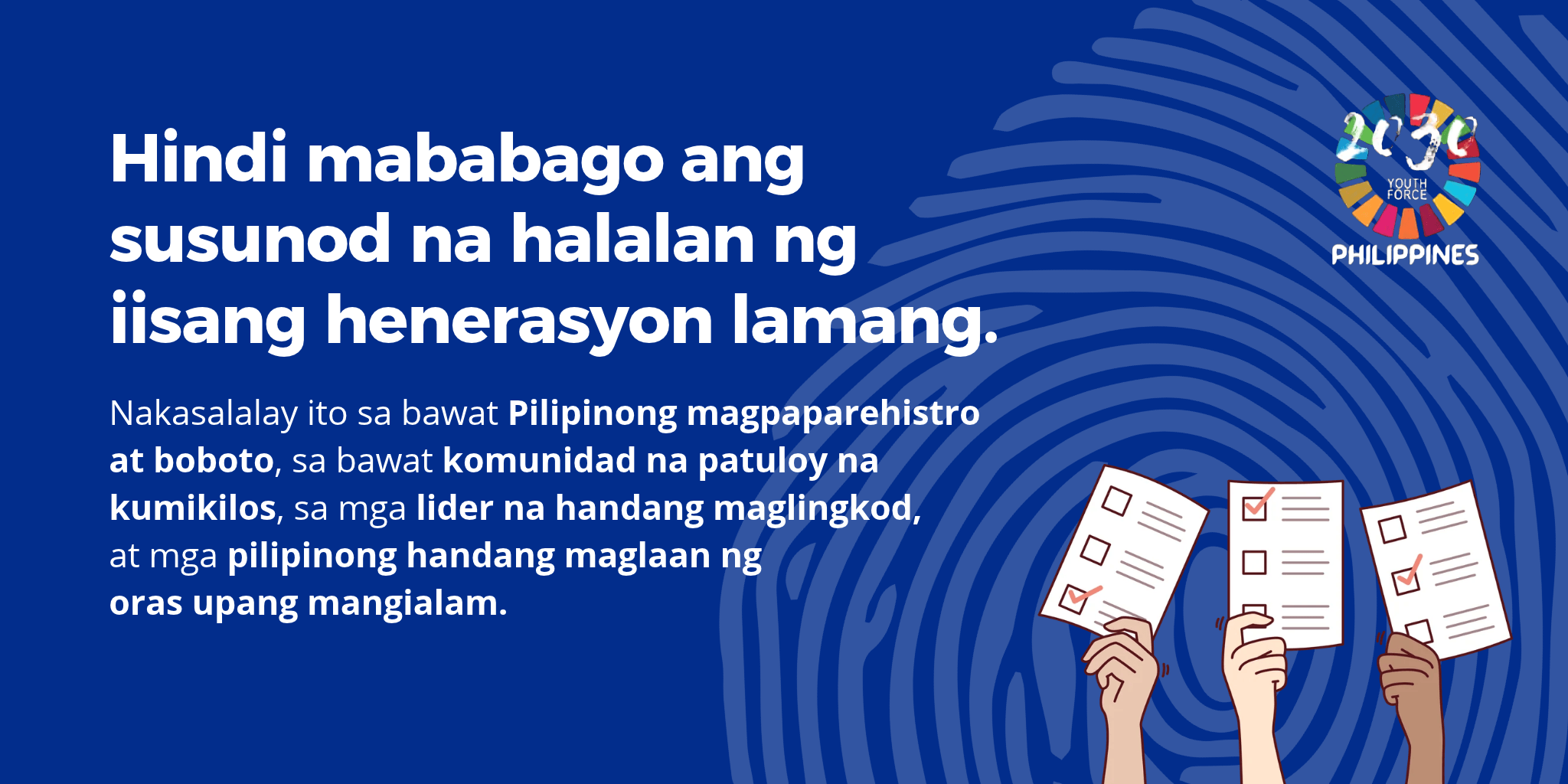
Hindi mababago ang susunod na halalan ng iisang henerasyon lamang. Nakasalalay ito sa bawat Pilipinong magpaparehistro at boboto, sa bawat komunidad na patuloy na kumikilos, sa mga lider na handang maglingkod, at mga pilipinong handang maglaan ng oras upang mangialam.
So, as we look toward the next chapter of our democracy, let us begin with something within reach.
COMELEC voter registration resumes on November 10, 2026, ahead of the 2028 National and Local Elections. The registration period is scheduled to run until July 30, 2027, and covers first-time registration, reactivation, transfer, and updating of voter records.
If you are eligible but have not registered, take this opportunity. If you are a first-time voter, make room for yourself in the decisions that will shape your future. If you know someone who has yet to register, encourage them to take that first step. And if you are already registered, help someone else get there.
We may not all have the same capacity to take to the streets, attend every gathering, or spend our days organizing. But we can begin by making sure that our voices are not absent when decisions are made.
I hope we get to see the Philippines we keep asking for. I hope we find leaders who deserve the trust we place in them. And I hope that when the opportunity comes, we are ready to meet that moment—not because we have never been tired or disillusioned, but because we have decided that our circumstances will not be the end of our hope.
Hindi natin kailangang hintayin ang pag-asa. Tayo ang kikilos para likhain ito.
References:
- Center for Information & Research on Civic Learning and Engagement. (2026, November 3). Historic +46 youth vote choice for Democrats in the 2026 midterm election. Tufts University. https://circle.tufts.edu/national-youth-vote-choice-2026-midterms
- Sicat, A. (2026, November 4). COMELEC resumes voter registration for 2028 polls on Nov. 10. Philippine Information Agency. https://pia.gov.ph/news/luzon/ncr/comelec-resumes-voter-registration-for-2028-polls-on-nov-10/
What's Your Reaction?