

















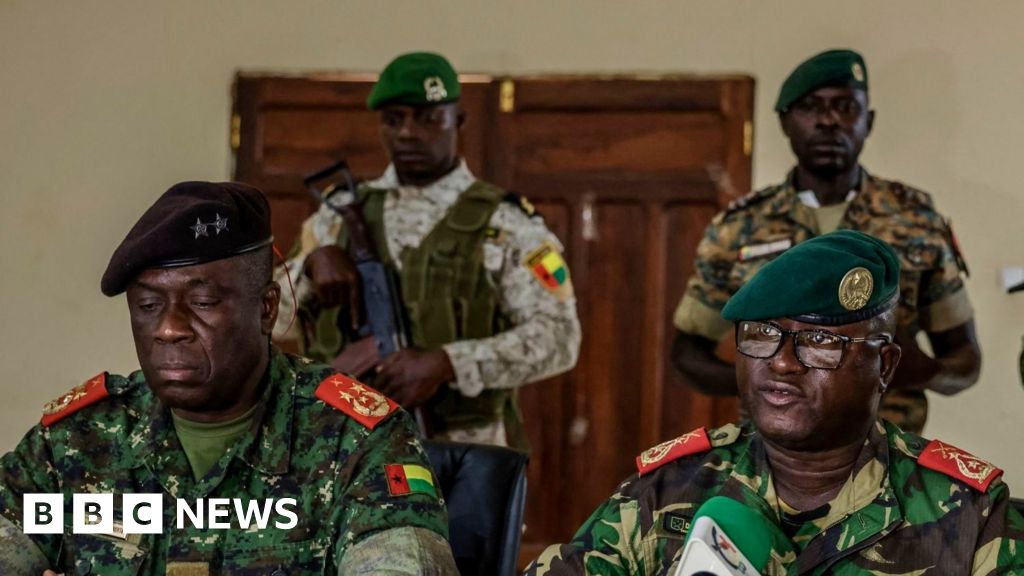
Guinea-Bissau soldiers say they have taken power after reports of president's arrest
The military takeover comes as the West African nation was awaiting the results of Sunday's election.

Guinea-Bissau Soldiers Claim Power After Reports of President’s Arrest
Soldiers in Guinea-Bissau have announced that they have taken control of the country following reports that President Umaro Sissoco Embaló has been detained. The development raises fears of political instability in a nation that has experienced several coups since gaining independence.
What Happened
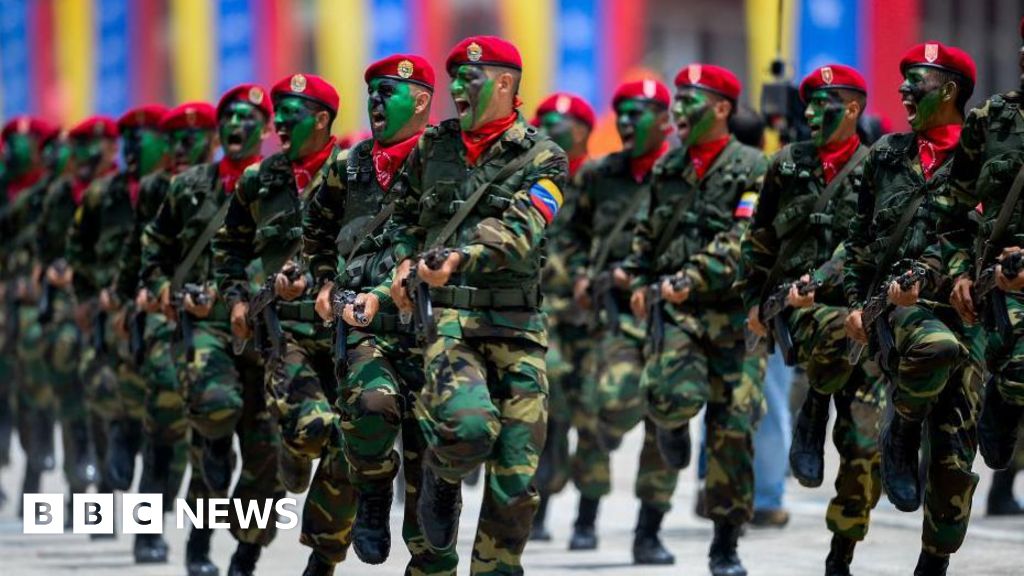
On Wednesday, military sources and local media reported that troops had mobilized in the capital, Bissau, and detained President Embaló. The soldiers claimed that the move was necessary to restore order, citing alleged government mismanagement and corruption.
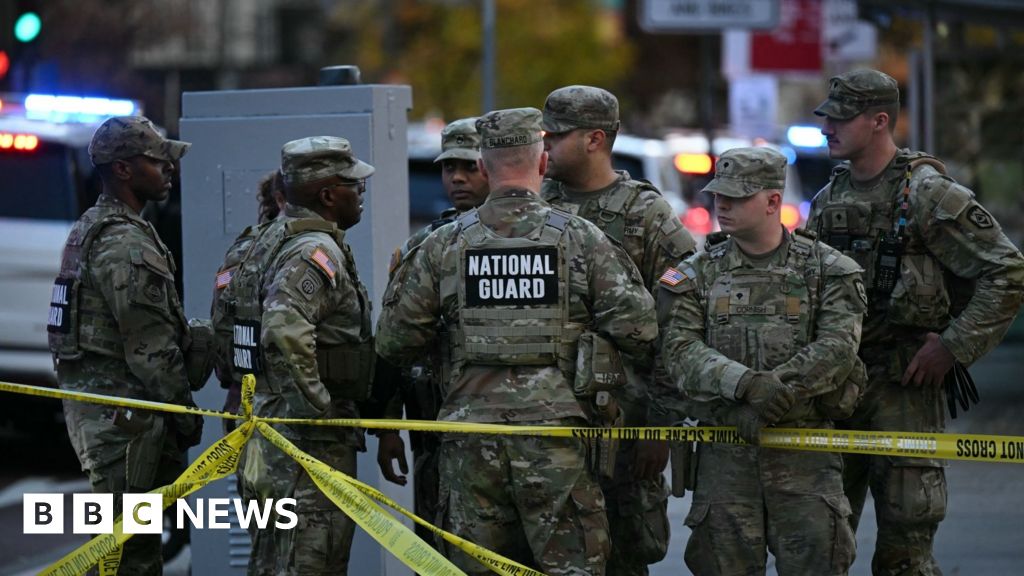
While the situation remains fluid, eyewitnesses described heavy military presence at government buildings, key intersections, and strategic locations throughout the city. Roadblocks and checkpoints were established, and public gatherings have been limited.
International and Domestic Reactions
The announcement of the military takeover has drawn immediate concern from regional organizations such as the African Union and the Economic Community of West African States (ECOWAS), both of which have condemned coups in member states in the past. Calls for restraint and the release of the president are expected as diplomatic efforts unfold.
Locally, reactions are mixed. Some citizens expressed fear over the sudden shift in power, while others voiced frustration with the government and see the military intervention as a potential path to political reform.
Guinea-Bissau’s History of Instability
Guinea-Bissau has a long history of political turbulence, with multiple coups and attempted coups since independence from Portugal in 1974. The military has frequently played a central role in the country’s politics, often citing the need to restore stability or address corruption.
Analysts warn that such developments can disrupt governance, economic stability, and international relations, particularly in a country that relies on foreign aid and investment.
What Comes Next
It remains unclear how long the military intends to remain in control or what conditions would lead to a restoration of civilian government. International observers are likely to monitor the situation closely, urging dialogue and the protection of citizens’ rights.
For residents, uncertainty and fear dominate as they await news about the president’s fate and the country’s political future.
What's Your Reaction?