
























Twenty-year study shows cleaner water slashes cancer and heart disease deaths
A twenty-year study finds that access to cleaner water significantly reduces cancer and heart disease deaths. Learn how improved water quality benefits long-term health and public safety.

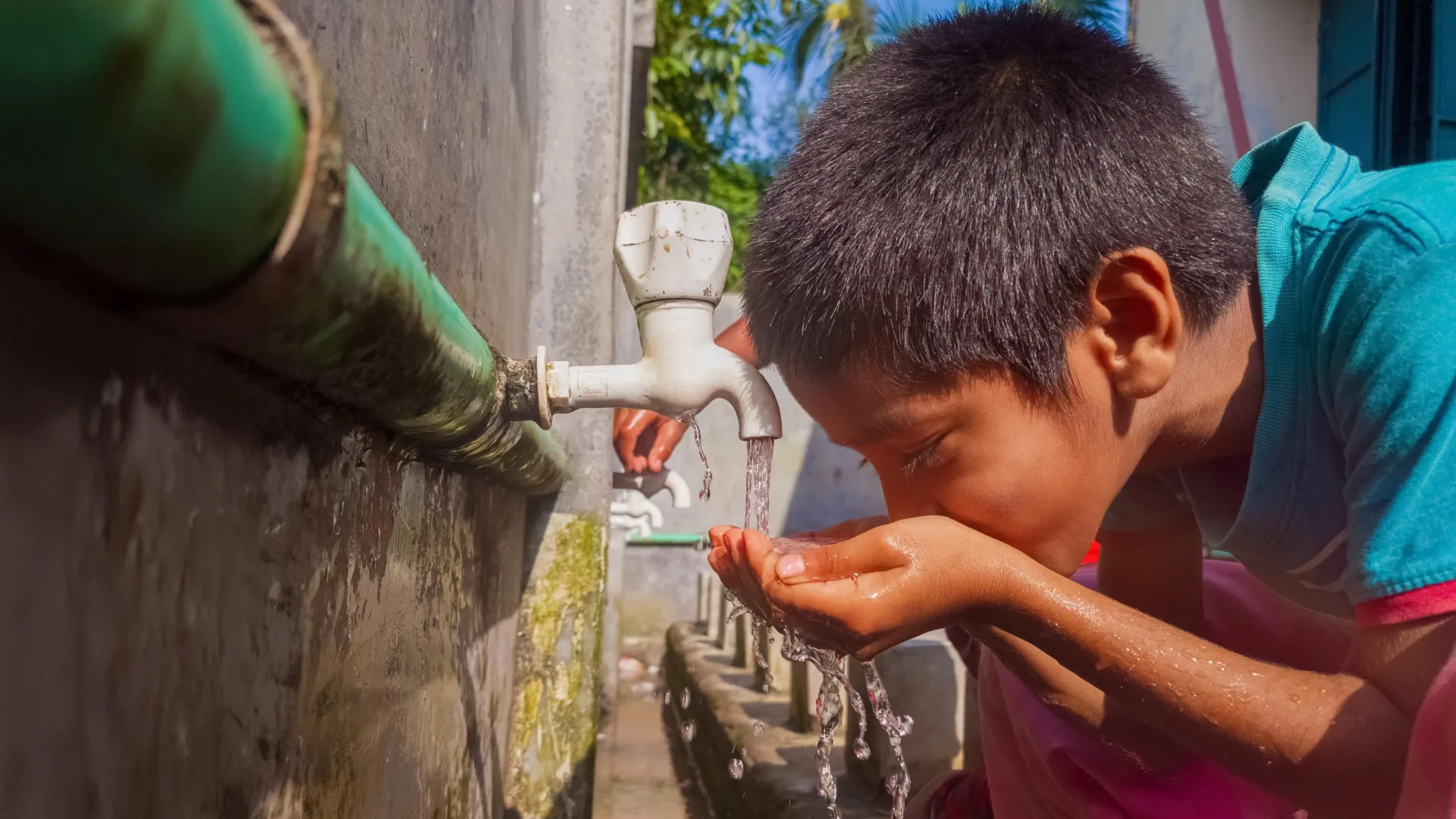
A twenty-year study has found that improving water quality can significantly reduce deaths from cancer and heart disease. The research highlights the long-term health benefits of providing safe and clean drinking water to communities. Scientists say that access to uncontaminated water not only prevents immediate illness but also lowers the risk of chronic diseases over time.
Overview of the Study
The study tracked populations in regions that implemented water purification systems and sanitation improvements over two decades. Researchers compared these areas with regions where water treatment remained limited or inconsistent. They monitored mortality rates, focusing on deaths caused by cancer and cardiovascular disease.
The findings showed a marked decrease in both types of deaths in areas with cleaner water. The results were consistent across multiple age groups, genders, and socioeconomic backgrounds, suggesting that access to safe water has widespread health benefits.
How Water Quality Affects Health
Contaminated water can contain harmful chemicals, heavy metals, bacteria, and other toxins. Long-term exposure to these substances has been linked to increased risks of heart disease, cancer, kidney problems, and other chronic conditions. Drinking clean water reduces the body’s exposure to these harmful agents, supporting overall health.
Improved water quality also contributes indirectly to better health. People with access to safe drinking water are less likely to suffer from infectious diseases that can weaken the body and increase susceptibility to chronic illnesses.
Key Findings
-
Communities with modern water filtration and purification saw significant drops in cancer-related deaths.
-
Heart disease mortality decreased noticeably in populations with consistent access to clean water.
-
The greatest benefits were observed in areas where interventions included both water treatment and public health education.
Researchers emphasized that the effects became more pronounced over time, underlining the importance of long-term investments in water infrastructure.
Implications for Public Health
The study demonstrates that access to safe drinking water is not only a matter of preventing immediate disease but also a critical factor in reducing long-term health risks. Governments and organizations are encouraged to invest in water treatment facilities, regular testing, and community education to maximize these benefits.
Providing clean water can save lives, reduce healthcare costs, and improve quality of life across generations. It also highlights the importance of addressing environmental and infrastructural inequalities that leave some populations at higher risk of exposure to contaminated water.
Conclusion
Ensuring access to safe and clean water is a simple yet profoundly effective public health measure. The twenty-year study underscores that sustained efforts in water treatment can prevent serious diseases, saving countless lives over time.
What's Your Reaction?