






















Your body may already have a molecule that helps fight Alzheimer’s
Researchers have discovered a natural molecule in the human body that may help fight Alzheimer’s disease. Learn how it protects brain cells, clears amyloid proteins, and could lead to new treatments.

Recent scientific research suggests that the human body may naturally produce a molecule capable of protecting the brain from Alzheimer’s disease. This discovery offers promising new directions for understanding the disease and developing treatments that harness the body’s own defenses.
Overview of Alzheimer’s Disease
Alzheimer’s disease is a progressive neurodegenerative disorder that primarily affects memory, thinking, and behavior. It is the most common cause of dementia in older adults. The disease is characterized by the accumulation of amyloid plaques and tau tangles in the brain, which disrupt neural communication and lead to cognitive decline.
The Protective Molecule
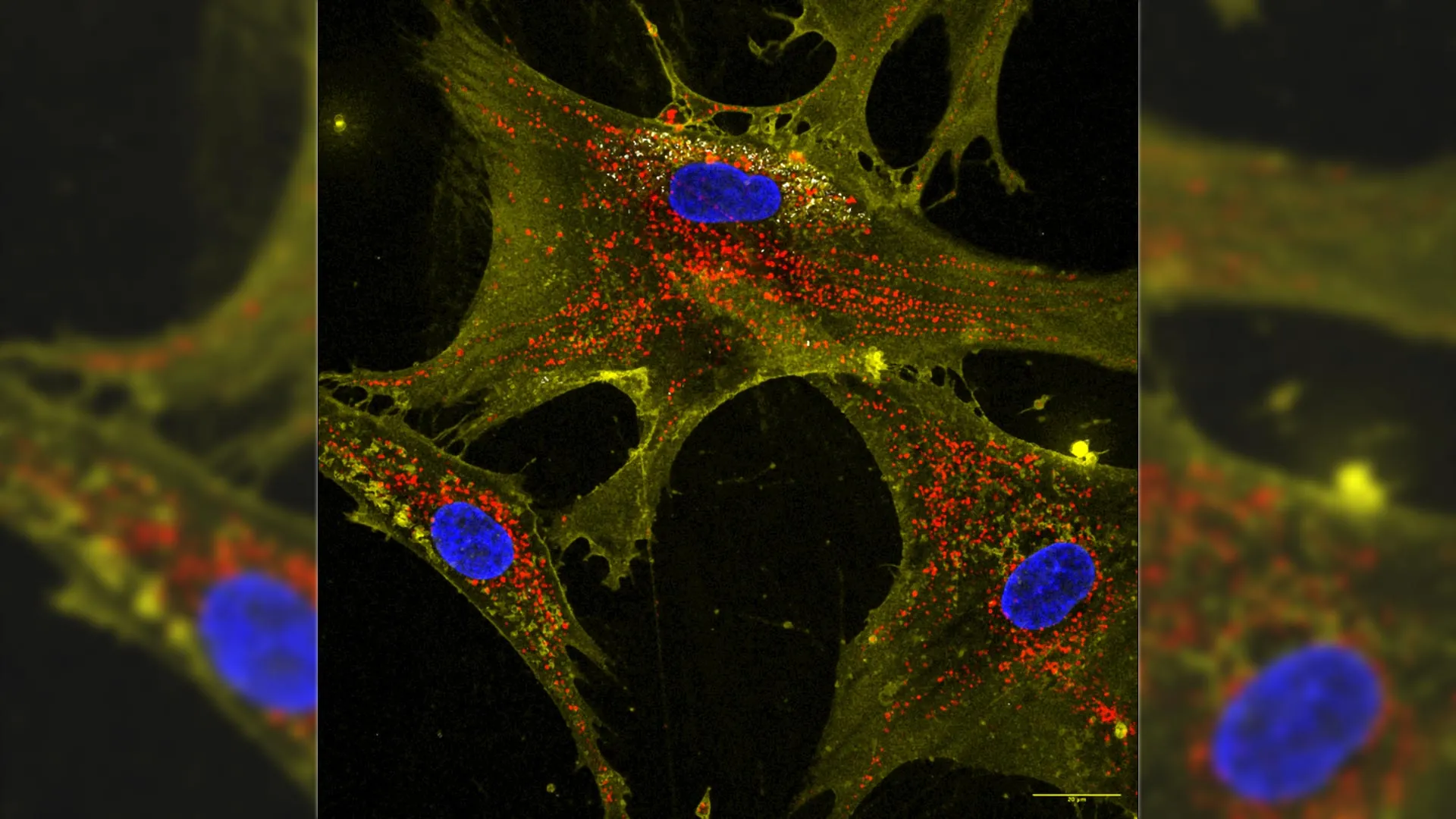
Researchers have identified a naturally occurring molecule in the human body that appears to play a role in reducing the toxic buildup associated with Alzheimer’s. Early laboratory studies suggest that this molecule may help clear amyloid proteins from brain cells, reduce inflammation, and support neuron survival.
While the molecule is already present in healthy individuals, its levels may decrease with age or in people at higher risk for Alzheimer’s. Scientists are exploring ways to boost its activity or mimic its effects therapeutically.
How It Works
The molecule seems to target multiple pathways involved in Alzheimer’s progression:
-
Amyloid Clearance: It helps remove harmful amyloid beta proteins that accumulate in the brain.
-
Neuroprotection: It shields neurons from stress and inflammation that can trigger cell death.
-
Cognitive Support: By maintaining healthy neural networks, it may slow memory loss and cognitive decline.
This multi-pronged approach makes the molecule a compelling candidate for future drug development.
Implications for Treatment
Understanding how the body naturally combats Alzheimer’s could lead to therapies that enhance or replicate the molecule’s protective effects. Potential strategies include:
-
Drugs that increase natural production of the molecule
-
Supplements that mimic its activity
-
Gene-based therapies to maintain optimal levels in the brain
Such treatments may complement existing medications and provide new avenues for prevention and early intervention.
Next Steps in Research
Although initial findings are promising, most studies have been conducted in laboratory settings or animal models. Clinical trials in humans will be essential to determine safety, efficacy, and optimal delivery methods. Researchers are also investigating whether lifestyle factors, such as diet and exercise, can naturally enhance the molecule’s protective role.
What's Your Reaction?