























Nanoflowers supercharge stem cells to recharge aging cells
New research shows that nanoflowers can supercharge stem cells to rejuvenate aging cells. Learn how this breakthrough could transform regenerative medicine and anti-aging therapies.

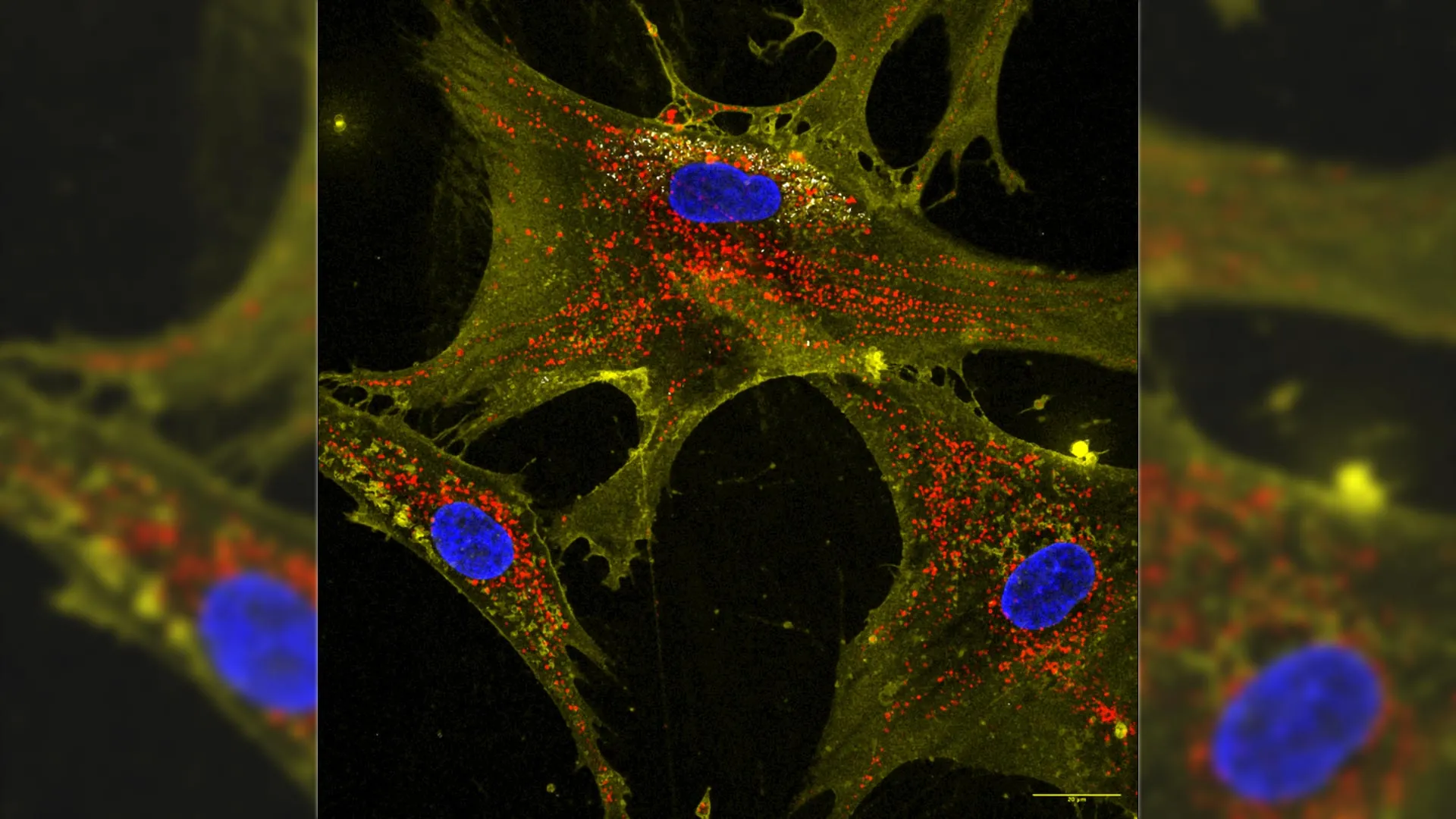
Recent scientific research has found that specially engineered nanoflowers can supercharge stem cells, enabling them to rejuvenate aging cells more effectively. This breakthrough could have major implications for regenerative medicine, anti-aging therapies, and the treatment of age-related diseases.
What Are Nanoflowers?
Nanoflowers are microscopic structures designed at the nanoscale to interact with biological systems. Their unique flower-like shapes increase surface area, allowing them to efficiently deliver signals, nutrients, or molecules to cells. Scientists have been exploring nanoflowers for applications ranging from drug delivery to tissue engineering.
How Nanoflowers Boost Stem Cells
Stem cells have the natural ability to repair and regenerate tissues, but their activity declines with age. Researchers discovered that exposing stem cells to nanoflowers enhances their function. The nanoflowers stimulate the cells to produce growth factors and other molecules that improve cell regeneration, increase energy production, and reduce cellular stress.
This effect enables stem cells to work more efficiently when introduced into aging tissues, helping restore damaged or deteriorating cells to a healthier state.
Potential Benefits for Aging and Disease
The enhanced stem cells show promise in addressing several age-related conditions. Laboratory studies suggest that they can:
-
Improve the health of skin and connective tissue
-
Support cardiovascular and metabolic function
-
Reduce markers of cellular aging
-
Aid in recovery from tissue damage
Scientists are hopeful that this approach could lead to therapies that slow the effects of aging or even repair organs compromised by chronic conditions.
Safety and Future Research
Although the results are promising, nanoflower-enhanced stem cells are still being tested in preclinical studies. Researchers are examining the long-term safety, potential side effects, and optimal ways to deliver these cells in living organisms. Clinical trials in humans may follow once the technology is confirmed to be safe and effective.
Implications for Regenerative Medicine
This discovery represents a major step forward in regenerative medicine. By combining nanotechnology with stem cell therapy, scientists may be able to unlock new treatments for age-related degeneration and improve the body’s natural repair mechanisms. The approach could also reduce reliance on organ transplants and other invasive procedures in the future.
What's Your Reaction?