























What happens next for Marjorie Taylor Greene after exit from Congress?
The former Trump ally has decided to end her time in Congress early after a public fallout with the president.

What led to her exit, and what is happening now
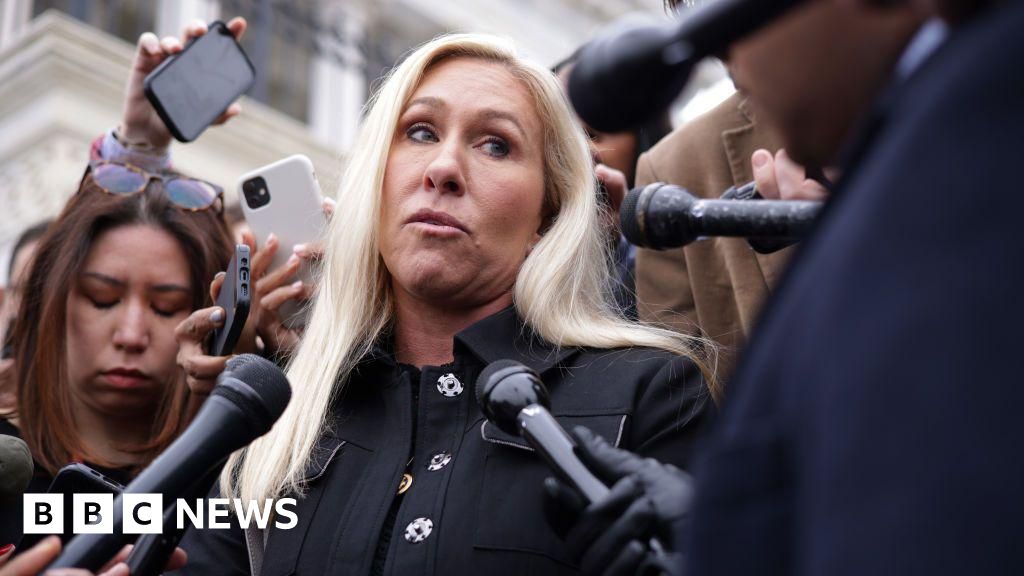
Marjorie Taylor Greene announced she will resign from the United States House of Representatives, with her last day scheduled for January 5, 2026.
Her resignation comes after a very public split with former President Donald Trump and frustration with her own party’s leadership. Greene said major conservative priorities had been sidelined, and she accused GOP leaders of refusing to advance bills on issues such as health care and immigration.
She also said she wished to spare her district a “hurtful and hateful primary battle” after Trump ended his support for her.
Greene has not endorsed any candidate to fill her seat and publicly said she will stay out of the upcoming special election, letting voters pick their new representative without her influence.
What could be next for Greene, possibilities, and speculation
Conservative media or public-figure role
Some analysts expect Greene may step into a role outside elected office, perhaps as a conservative media commentator, podcast host, or political influencer.
Given her continued national prominence and willingness to speak out on divisive issues, a media-centered path could allow her to remain influential among supporters even without holding public office.
Potential future political ambitions
Though Greene denied recent reports she is planning a presidential campaign, she has not completely ruled out other future runs, for exampl,e for governor of Georgia or for the U.S. Senate in 2026, when seats for both become competitive.
Her name remains a strong brand among a segment of conservative voters. If she chooses to re-enter electoral politics, she could draw support from those who see her as a voice for populist or anti-establishment sentiment.
A wild card in national conservative politics
Her departure is being viewed by observers as a sign of broader discontent within her party. One former House leader described her exit as “the canary in the coal mine,” warning more defections may come.
In that sense, Greene could emerge as a symbolic figure for disaffected Republicans, potentially influencing the direction of the party without holding a seat, or playing a role in shaping a “post-establishment” conservative movement.
What this means for Congress, her district, and the GOP
Her resignation automatically triggers a special election for her seat in Georgia’s 14th District.
Because her district is heavily Republican, analysts expect the seat will likely remain under GOP control, but Greene’s exit still erodes the narrow majority the party holds and raises pressure on them ahead of the 2026 midterms.
At a broader level, her departure reflects deeper fractures within the party, especially between those loyal to Trump and others increasingly disillusioned with MAGA leadership. This could reshape internal Republican dynamics in the months to come.
Why are many watching closely
Because Greene combined national visibility with a fiercely partisan style, her exit marks a turning point not only for her but potentially for the emerging identity of conservative politics in America.
If she remains active, through media, commentary, grassroots organizing, or a future run, she may continue to influence debates around populism, party loyalty, and what direction the GOP takes going forward.
If she bows out more quietly, her departure still leaves a vacuum in the “firebrand conservatism” space that could open the door for new voices, reshuffling alliances and strategies among Republicans and their supporters.
What's Your Reaction?