


















Trump defends Witkoff after leak appears to show envoy coaching Russia
The US president said he had not heard the audio, but that it sounded like "standard" negotiations.

What happened, the leak and the fallout
In November 2025, a recording and transcript of a private October phone call between U.S. envoy Steve Witkoff and Kremlin foreign-policy adviser Yuri Ushakov were published by the media.
In the call, Witkoff appeared to advise Ushakov on how to pitch a peace deal for Ukraine to President Trump. He suggested that Russia lead with flattery, praising Trump as “a man of peace” and congratulating him on the recent ceasefire in Gaza, before discussing Russian terms for Ukraine, including territorial concessions like control over Donetsk and possible land swaps.
That original proposal had reportedly evolved into a 28-point plan to end the war in Ukraine, which many critics viewed as heavily tilted toward Moscow’s interests.
The leak sparked an outcry inside the United States. Some lawmakers from both parties accused Witkoff of favoring Russia rather than representing U.S. or allied interests.
The Kremlin reacted sharply too. Officials called the leak intolerable and described it as a form of information warfare aimed at undermining diplomatic negotiations.
Trump’s reaction, “deal-maker” defence
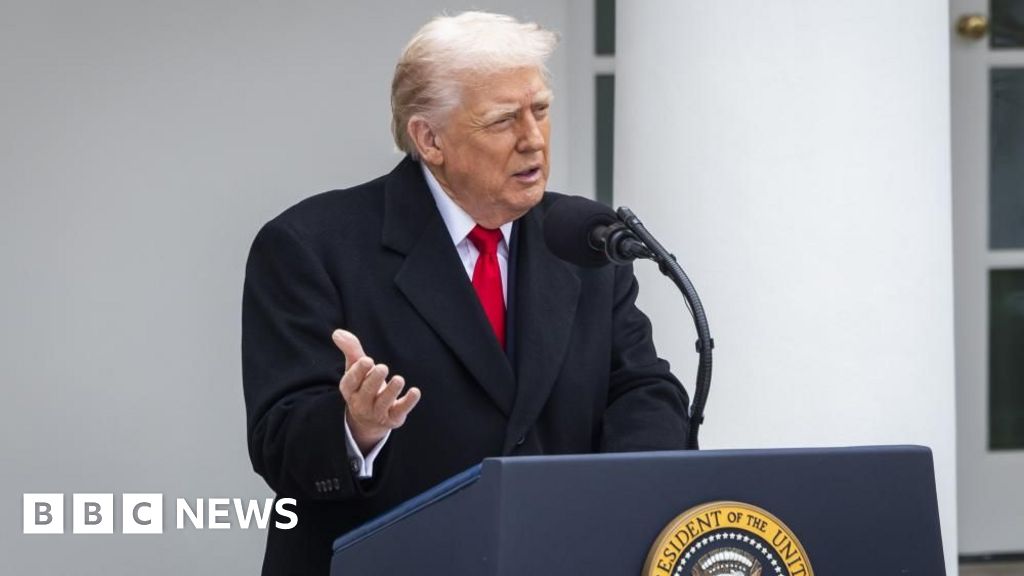
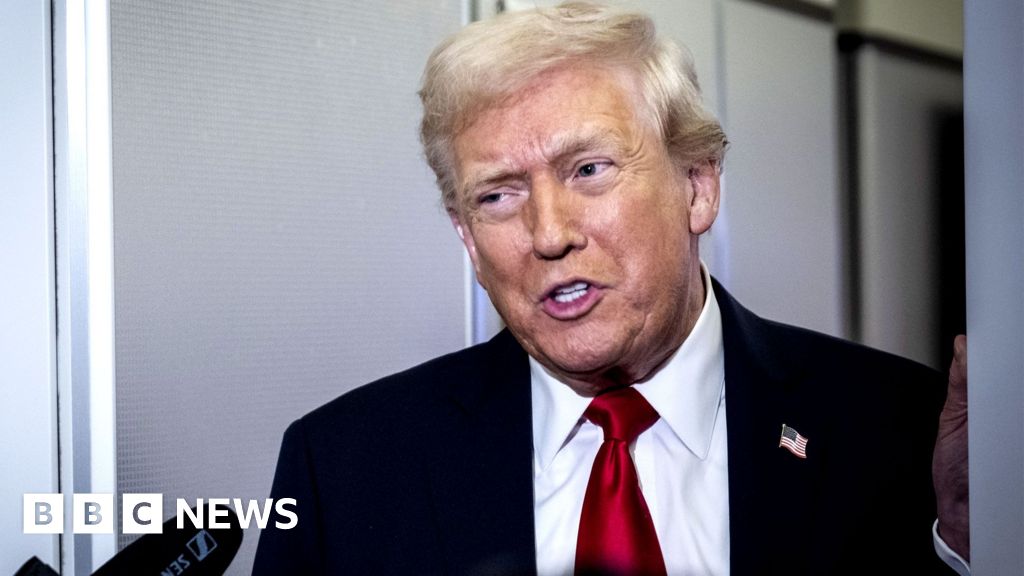
President Trump responded quickly. He defended Witkoff’s actions as part of the “standard thing a deal-maker does.”
He said he had not heard the audio himself but saw “nothing unusual” in the approach, arguing that negotiating a deal often means persuading rival parties.
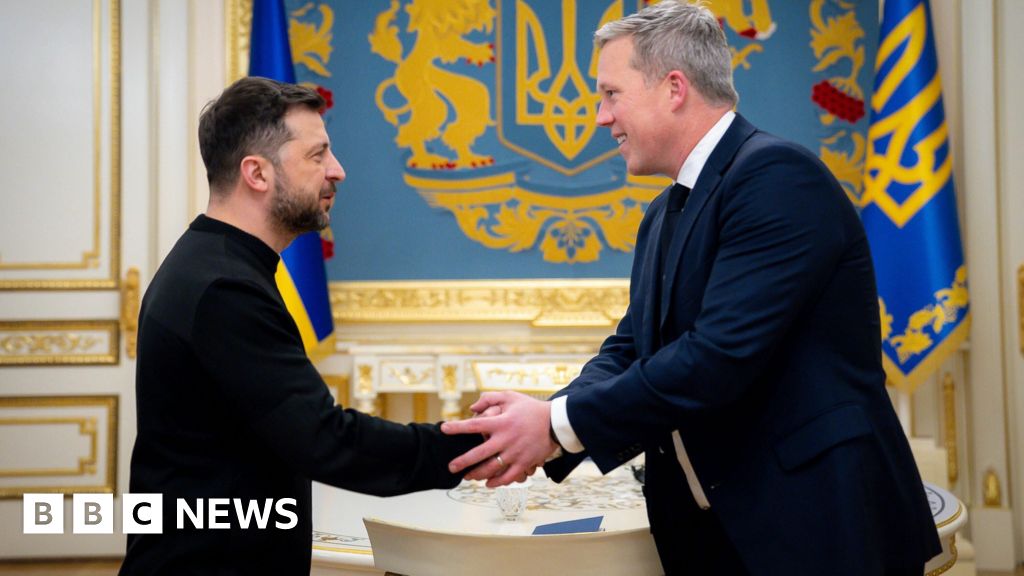
Trump further announced that Witkoff would travel to Moscow soon to continue talks with Russian officials.
In defending Witkoff, Trump emphasized their long personal history, describing him as “my pal” and a trusted associate who has played various roles for him over the decades.
The controversy, why critics are alarmed
Critics say the leak offers direct evidence that U.S. negotiations may be unduly influenced by Russian interests, a concern especially serious given that Russia is widely recognised as the aggressor in the war against Ukraine.
Some U.S. lawmakers called for Witkoff’s dismissal, arguing that a U.S. envoy should not be seen as advising Russia on how to sell a proposal to the American president.
Many supporters of Ukraine and allied governments have reacted with alarm. They warn that a peace plan constructed mainly by Russian input and pre-packaged for acceptance could undermine Ukraine’s sovereignty and the broader integrity of Western alliance commitments.
Adding to the tension, Russia publicly stated it would make no major concessions, even though the leak showed Moscow was being coached on how to approach the U.S. proposal.
What’s next: diplomacy, distrust, and uncertainty
Despite the backlash, the White House appears determined to press ahead. Witkoff is expected to travel to Moscow soon to resume discussions.
At the same time, international support for a fair peace deal remains fragile. The leak has raised serious doubts among Ukraine-backers and some U.S. lawmakers about whether any agreement crafted under these conditions can be trusted.
Meanwhile, Russia’s declaration that it will not make major concessions signals the possibility of stalled negotiations or a collapse of the peace initiative. For many observers, the leak may have dashed hopes that a deal could come soon, and deepened suspicion over whether U.S. diplomacy is too skewed toward Moscow’s interests.
Why this matters, more than politics
This controversy touches on more than just one peace proposal. It highlights a broader concern about how peace talks are conducted, who gets to shape them, and whether they serve justice and fairness or geopolitical convenience.
If an agreement emerges from these negotiations under the cloud of suspicion, it risks undermining trust not only between Washington and Kyiv but also among NATO allies and global partners. The credibility of the U.S. as a mediator hinges on transparency, impartiality, and respect for the sovereignty of those affected by the conflict.
At the same time, the leak and its fallout illustrate the fragile balance in diplomacy, especially when peace, power, and public opinion intersect. How this episode ends may well influence the future of negotiations in Ukraine and the fate of diplomacy itself.
What's Your Reaction?