























This tiny microbe may be the key to fighting forever chemicals
Scientists have discovered a tiny microbe capable of breaking down forever chemicals (PFAS). Learn how this discovery could revolutionize environmental cleanup and reduce long-term health risks.

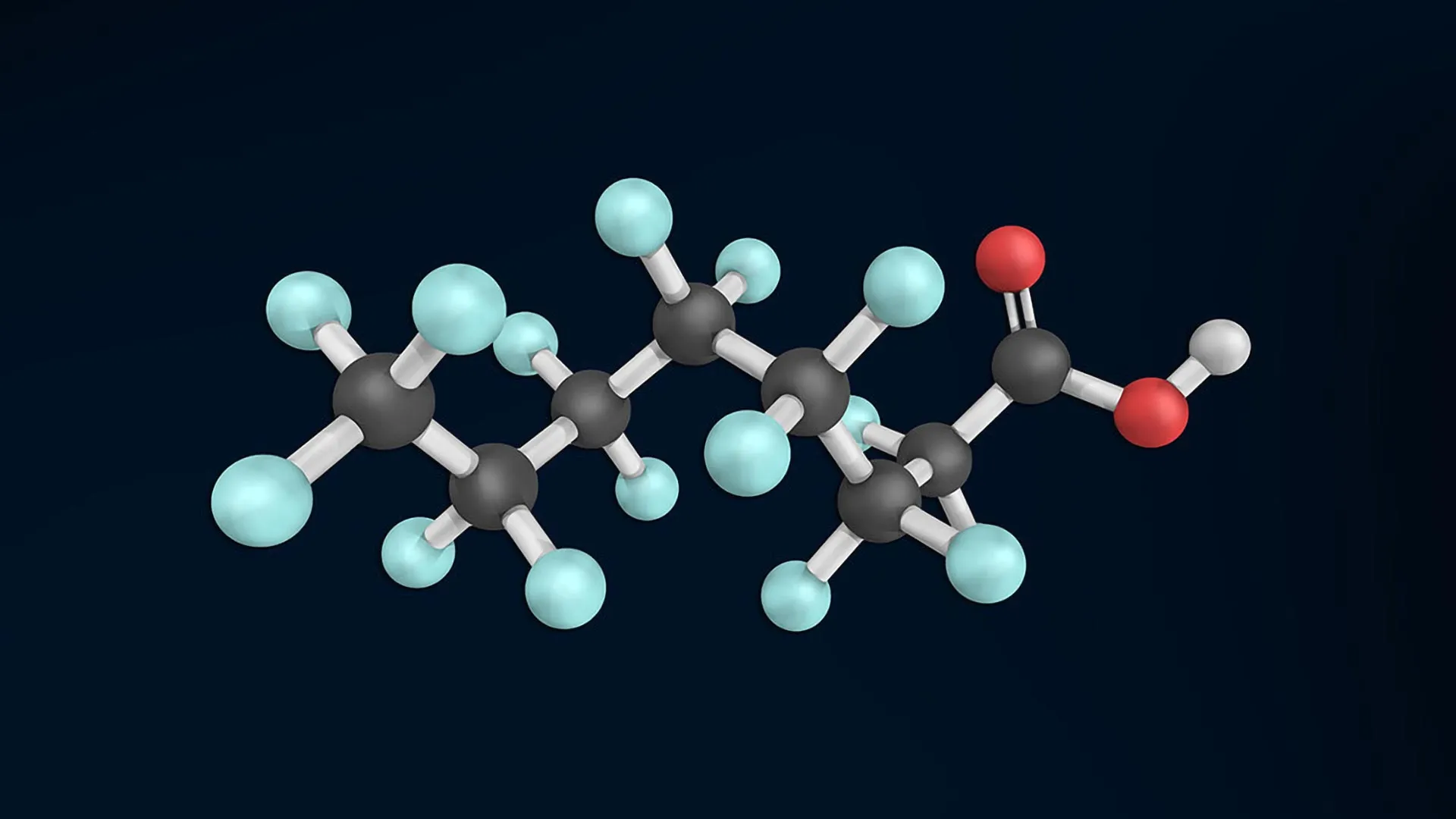
Recent scientific research has identified a tiny microbe that may play a crucial role in breaking down “forever chemicals,” or PFAS, which are notoriously persistent in the environment. These synthetic compounds are used in products such as nonstick cookware, waterproof clothing, and firefighting foam, and are linked to health problems including cancer, liver damage, and hormonal disruption.
What Are Forever Chemicals?
Forever chemicals, scientifically known as per- and polyfluoroalkyl substances (PFAS), are highly resistant to degradation. Once they enter the environment, they can persist for decades, contaminating soil, water, and even the food chain. Traditional methods of removal, such as filtration or chemical treatment, are often expensive and incomplete, leaving communities exposed to long-term risks.
The Role of the Microbe
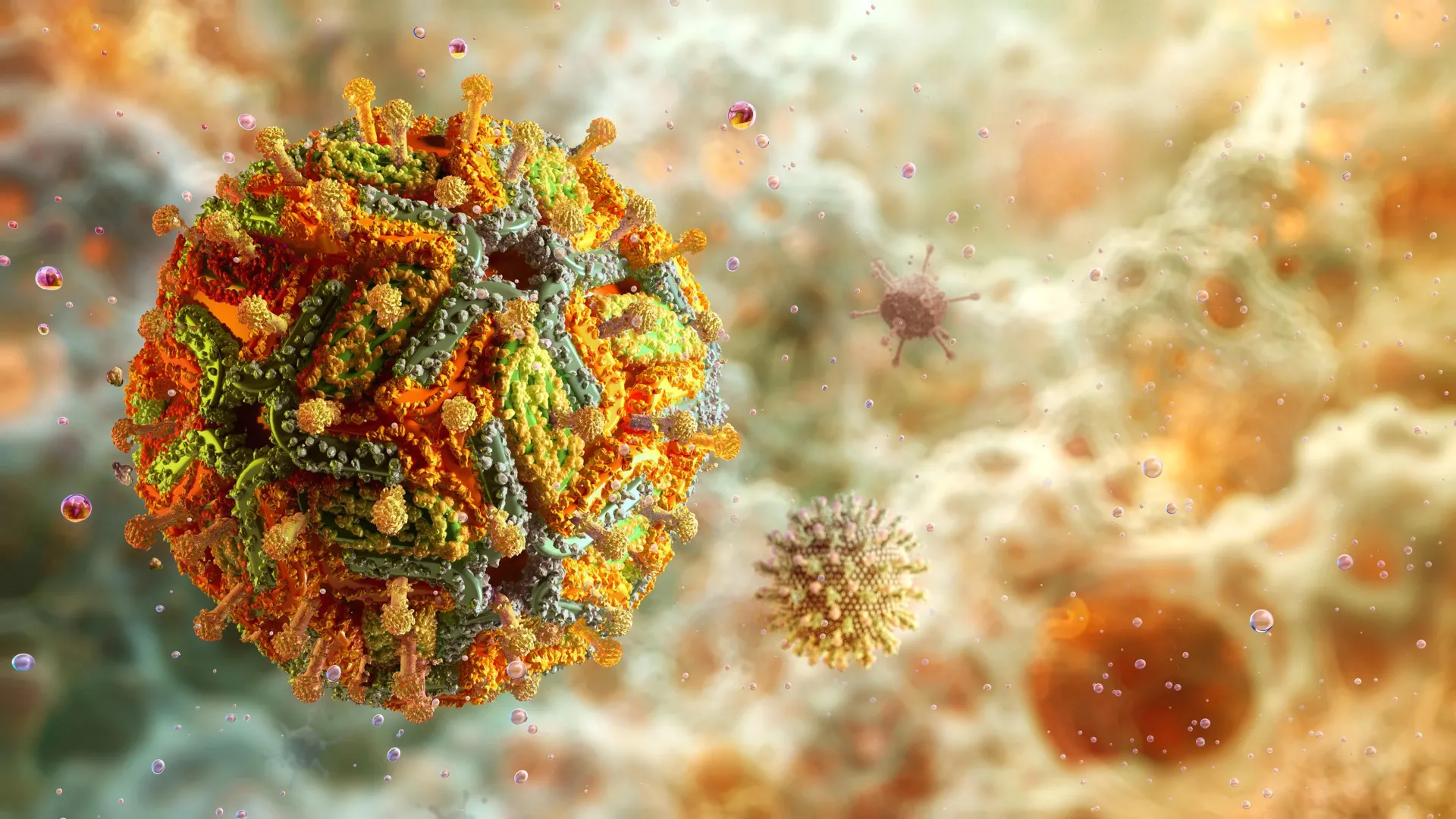
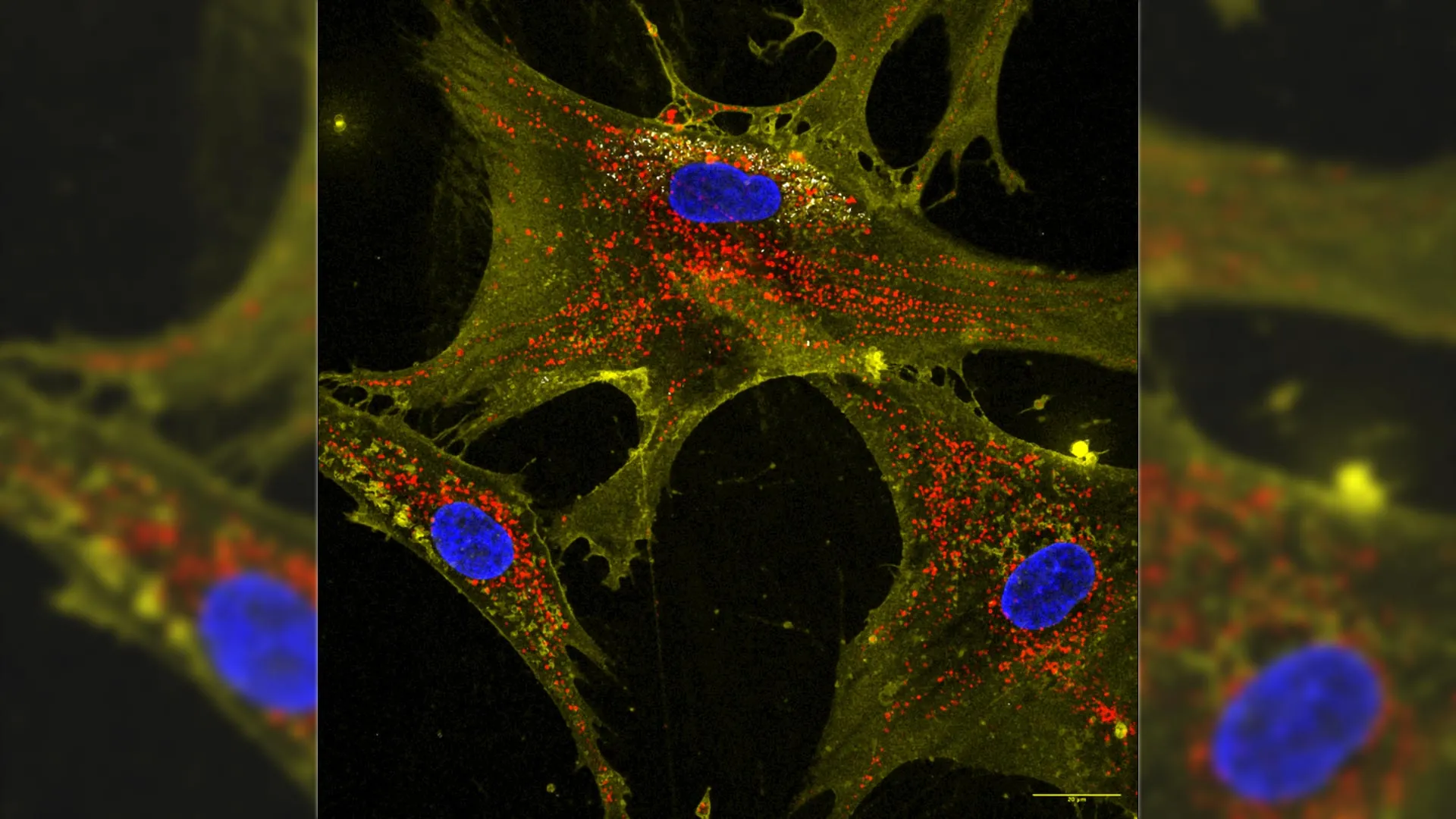
Researchers have discovered that certain microbes can metabolize PFAS compounds, breaking them down into less harmful substances. This tiny microbe exhibits an unusual ability to attach to PFAS molecules and use them as a source of energy. Laboratory studies show that it can degrade chemical bonds that were previously thought to be nearly indestructible.
The discovery offers hope for developing bioremediation strategies that could safely clean contaminated water and soil over time.
How It Works
The microbe produces enzymes that target the strong carbon-fluorine bonds in PFAS. These enzymes gradually break the molecules into simpler compounds that are less toxic and more biodegradable. Scientists are studying ways to enhance the microbe’s efficiency and survival in real-world conditions, aiming to scale its application for environmental cleanup.
Potential Benefits
If successfully applied, microbe-based solutions could:
-
Reduce PFAS contamination in water supplies
-
Clean soil affected by industrial or firefighting chemical exposure
-
Provide a sustainable and cost-effective alternative to conventional chemical treatments
-
Help mitigate long-term health risks associated with PFAS exposure
The approach represents a significant shift in tackling environmental pollutants that were once considered nearly impossible to remove.
Challenges and Future Research
While promising, the microbe is still being studied in controlled lab environments. Scientists must ensure it can survive and remain effective in diverse environmental conditions without disrupting ecosystems. Additionally, scaling up production and deployment for large-scale cleanup requires further research.
Ongoing studies aim to identify the most efficient strains, optimize conditions for PFAS degradation, and explore safe ways to introduce the microbes to contaminated sites.
Conclusion
This tiny microbe may offer a revolutionary way to combat forever chemicals, transforming how we approach persistent environmental pollution. By harnessing natural biological processes, researchers hope to reduce PFAS contamination and protect both human health and ecosystems.
What's Your Reaction?