
























Scientists find a hidden weak spot that may trigger Alzheimer’s
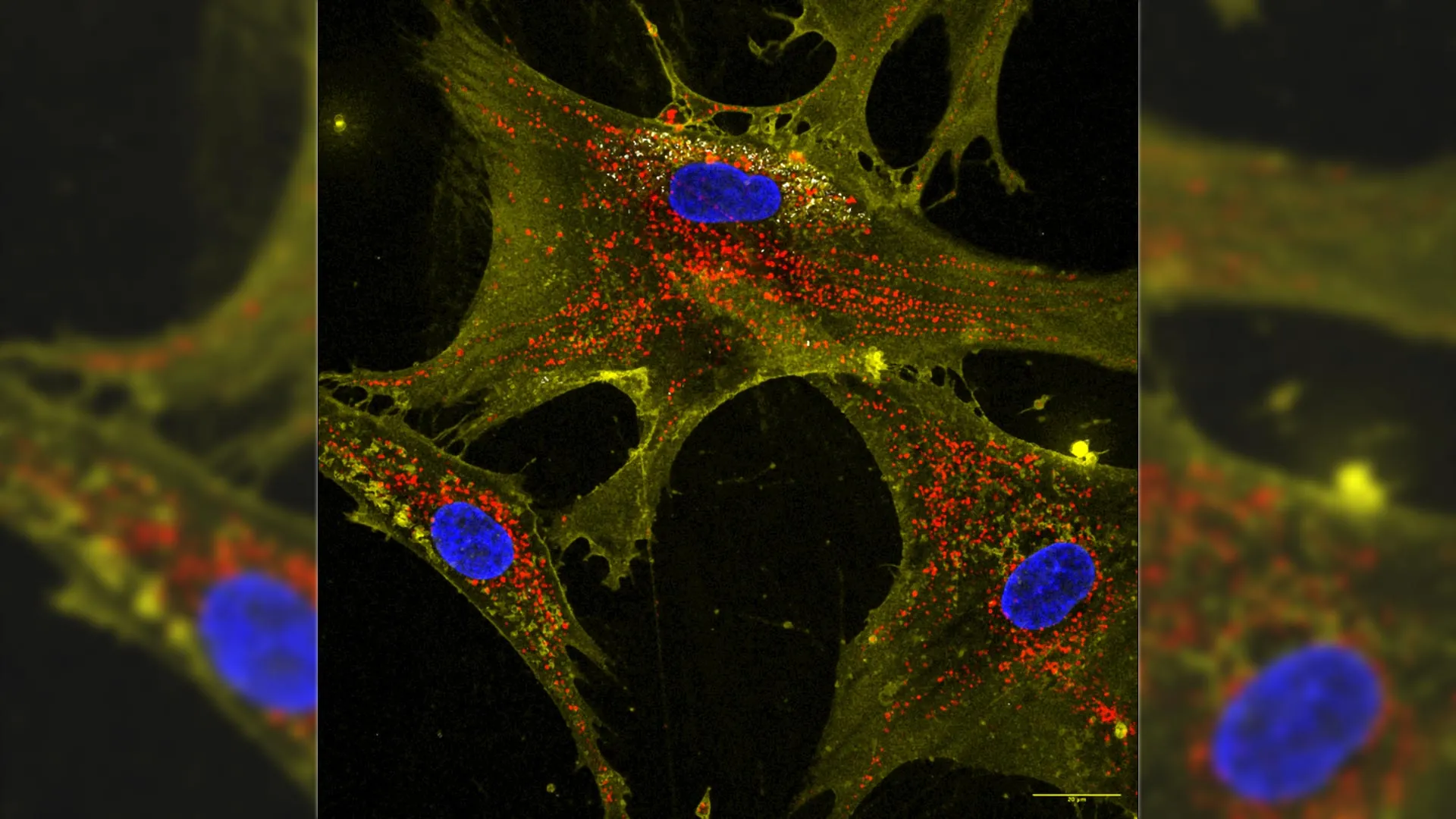
Scientists have found that a mutation tied to Alzheimer’s disrupts the production and quality of exosomes—tiny cell-made communication packets. Cells with the defective SORLA protein generate fewer exosomes and ones far less able to support nearby brain cells. This weakness may be a key driver of Alzheimer’s development. The research points to new treatment strategies that enhance or restore exosome function.


Overview
Scientists have uncovered a previously unknown weak point in the brain that may play a major role in triggering Alzheimer’s disease. This discovery helps explain why certain brain regions are more vulnerable to memory loss and cognitive decline. The finding could guide the development of treatments aimed at protecting these fragile areas long before symptoms appear.
Background
Alzheimer’s disease is a progressive brain disorder that destroys memory and thinking skills. It develops over many years, often beginning with silent changes inside brain cells. Researchers have long known that certain regions, especially those involved in memory, are the first to be affected. Until recently, the reason for this early vulnerability was unclear.
The new discovery provides a clearer picture. Scientists found a specific biological weak spot that may determine where Alzheimer’s begins and how quickly it spreads.
The Hidden Weak Spot
Fragile Brain Cell Junctions
The weak spot is located at tiny junctions where brain cells communicate. These junctions handle the transfer of signals needed for learning, memory, and decision making. Over time they appear to lose resilience, making them more sensitive to stress and inflammation.
Protein Clearance Problems
Researchers found that these vulnerable areas are less efficient at clearing harmful proteins. When amyloid and tau proteins accumulate, they disrupt cell function and spark damage that can spread through the brain.
Energy Shortages
Cells in this weak region also struggle to produce enough energy. Since brain cells require constant fuel to stay healthy, even a small drop in energy production can make them more susceptible to degeneration.
Early Inflammation
The weak spot shows noticeable signs of inflammation long before symptoms start. This local inflammation can worsen protein buildup and accelerate brain decline.
Why This Discovery Matters
Understanding where Alzheimer’s begins offers a powerful advantage. Instead of reacting to late stage symptoms, doctors may eventually target the disease at its earliest and most treatable point.
This new weak spot gives scientists a specific biological location to focus on when designing therapies, imaging tools, and preventive strategies.
Potential Impact on Treatment
Earlier Detection
If this weak region can be identified through brain scans or fluid tests, doctors could spot Alzheimer’s risk years before memory loss occurs.
Protective Therapies
Treatments could be developed to strengthen these fragile cell junctions. Boosting resilience may slow or stop the disease from taking hold.
Improved Drug Delivery
Knowing precisely where the disease begins helps guide medications directly to the most vulnerable parts of the brain.
Customized Prevention
Lifestyle recommendations such as improved sleep, better diet, and increased physical activity could be tailored to protect this weak spot more effectively.
A New Direction for Alzheimer’s Research
This finding shifts the focus from treating widespread brain damage to preventing the disease at its earliest stage. Scientists hope future studies will reveal how this weak spot forms, whether it is influenced by genetics, and how it can be reinforced before major harm occurs.
The discovery also raises new questions, such as why some people have stronger protection in this region and how environmental factors contribute to early vulnerability.
Conclusion
The identification of a hidden weak spot that may trigger Alzheimer’s marks a significant advance in understanding the disease. By locating the earliest point of vulnerability, researchers can now explore new strategies to prevent or delay the onset of symptoms. This breakthrough gives hope for earlier detection, more effective treatments, and a deeper understanding of how Alzheimer’s begins and spreads.
What's Your Reaction?